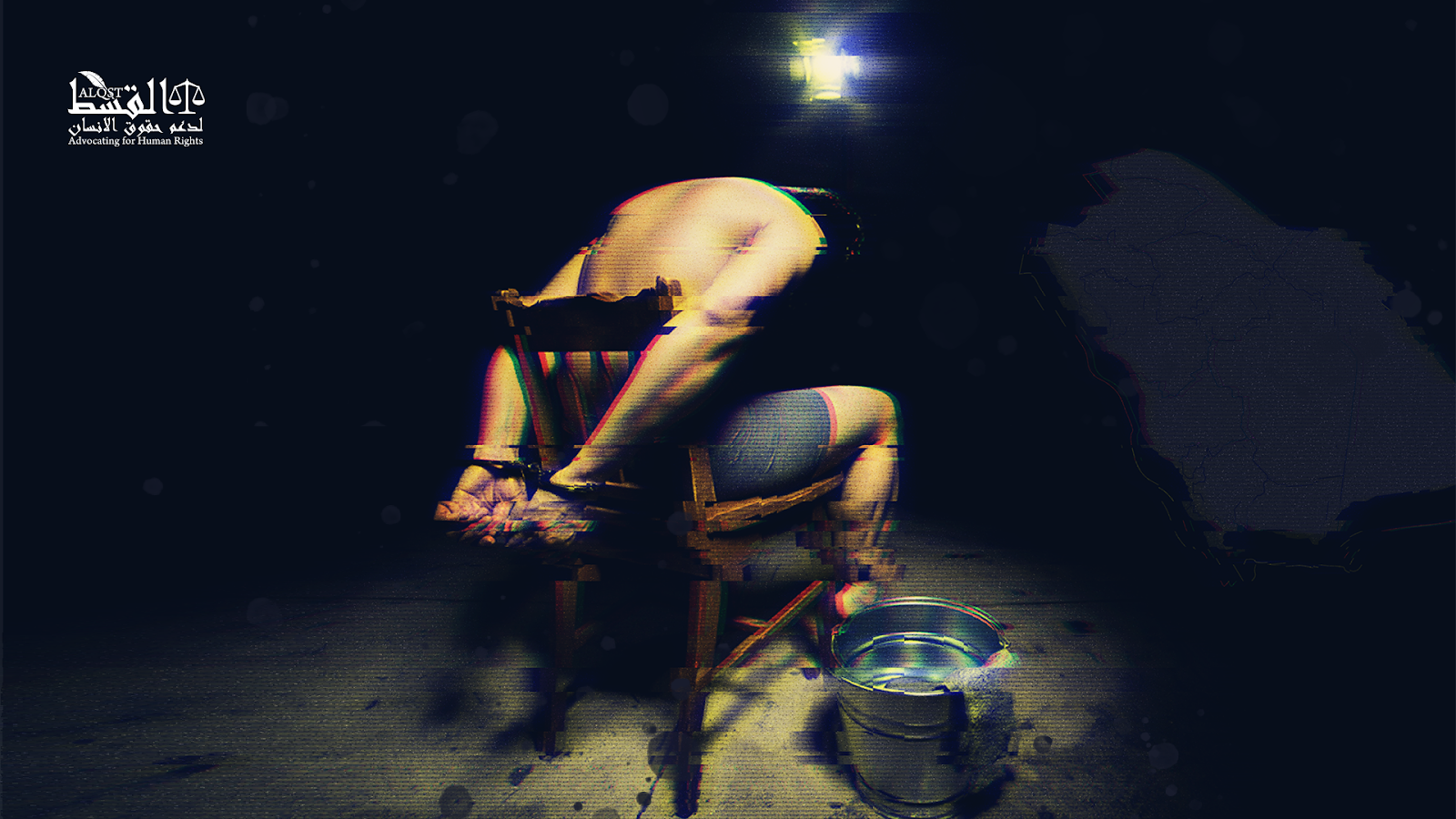
نشر تقرير حول التعذيب في السعودية يمثل تحقيقًا مفصلًا فيه ويوثق اتجاهات جديدة مقلقة منذ تولي الأمير محمد بن سلمان ولاية العهد في 2017.
التقرير الذي عملت عليه القسط لحقوق الإنسان بالتعاون مع مركز الخليج لحقوق الإنسان يخلص إلى أن غياب الضمانات القانونية الأساسية لمنع التعذيب يخلق بيئة تمكن ممارسته، وتسهله تشريعات قانونية مثل بعض مواد نظام مكافحة الإرهاب بل ولعلها تشجع عليه وعلى مناخٍ سيود فيها الإفلات من العقاب.
"التعذيب في المملكة العربية السعودية وثقافة الإفلات من العقاب" يصف ممارسة التعذيب الممنهجة في السعودية لانتزاع الاعترافات أثناء التحقيق وكشكلٍ من أشكال العقاب أثناء الاحتجاز، ورغم إفادة المساجين بما تعرضوا له من تعذيب للمحاكم، فلم تجري السلطات أي تحقيقات في هذه المزاعم وما زالت المحاكم تعتمد الاعترافات المنتزعة بالتعذيب كأدلة في القضايا القانونية.
ويشرح التقرير الجديد المسببات البنيوية الكامنة وراء ممارسة التعذيب ويتطرق للأطراف المسؤولة عن التعذيب وسوء المعاملة ويحلل عدم امتثال السلطات السعودية لاتفاقية الأمم المتحدة لمناهضة التعذيب وغيره من ضروب المعاملة أو العقوبة القاسية أو اللاإنسانية أو المهينة التي انضمت إليها في 1997 من خلال إلقاء نظرة على الأنظمة القانونية وتفحص بعض القضايا النموذجية، ومنها قصص مدافعين ومدافعات عن حقوق الإنسان ومواطنين ورعايا أجانب من غير النشطاء.
يقدم التقرير معلومات حول التطورات الجديدة جرت خلال الثلاث سنوات التي مضت منذ بدأ ولي العهد محمد بن سلمان بإعادة هيكلة الأجهزة الأمنية ووضعها بين يديه، بما في ذلك قيام مجموعة من المقربين منه بتعذيب المدافعات عن حقوق الإنسان في مواقع احتجاز غير رسمية، وهذا التطور مقلقٌ نظرًا لكون حالات تعذيب النساء لم تكن تحصل في السابق، وكشفت حالةٌ أخرى مخيفة استخدام قبو قصرٍ ملكي كموقعٍ مخصص للتعذيب.
يخلص التقرير إلى 21 توصية إن طبقت ستضمن امتثال السعودية لاتفاقية الأمم المتحدة لمناهضة التعذيب وستساعد في إنهاء ممارسته ومحاسبة المسؤولين عنه وانتصاف ضحاياه ومنع حصوله مستقبلًا.