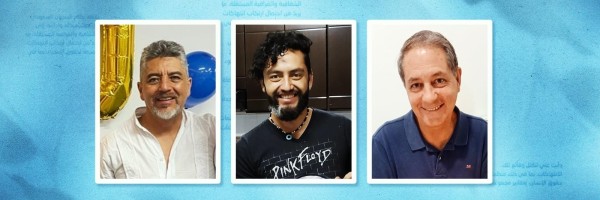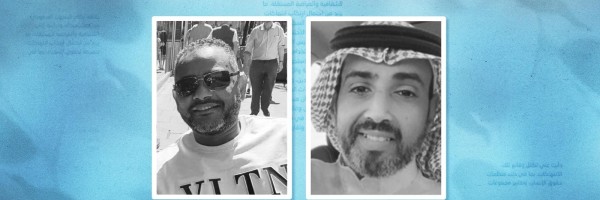
في 24 نوفمبر 2020، واصل القضاء التركي المحاكمة الغيابية ضد 26 مسؤول سعودي يشتبه تورطه عن مقتل الصحفي جمال خاشقجي، وقد حضرت القسط لمراقبة إجراءات المحكمة.
وقد حضر أيمن نور المعارض المصري ومالك قناة الشرق كالشاهد الوحيد في جلسة اليوم، وستعقد الجلسة القادمة في 4 مارس 2021.
عقدت الجلسة الأولى في 3 يوليو 2020، بعد أن رفع الادعاء التركي لائحة الاتهام في مارس 2020 ضد 20 مسؤولٍ سعوديٍّ مرتبط بالجريمة، وفي الجلسة قدم ثمانية شهود شهاداتهم ورفعت لائحة اتهام ثانية ضد ستة مسؤولين آخرين في سبتمبر.
وقد علّقت المديرة المكلَّفة للقسط صفاء الأحمد: "هذه المحاكمة لا تعوض عن ضرورة إجراء تحقيق جنائي دولي ومستقل في مقتل خاشقجي، وهذا ما دعت إليه القسط منذ البداية"، وأضافت أنّه "في ظل غياب العدالة والإجراءات القضائية السعودية المفتقرة لأدنى معايير القضاء العادل، توفر هذه المحاكمة فرصة للإجابة عن بعض الأسئلة التي لم يجب عنها بعد، مثل مصير جثمان خاشقجي، بل ولربما توفر نافذةً لتحقيق العدالة".
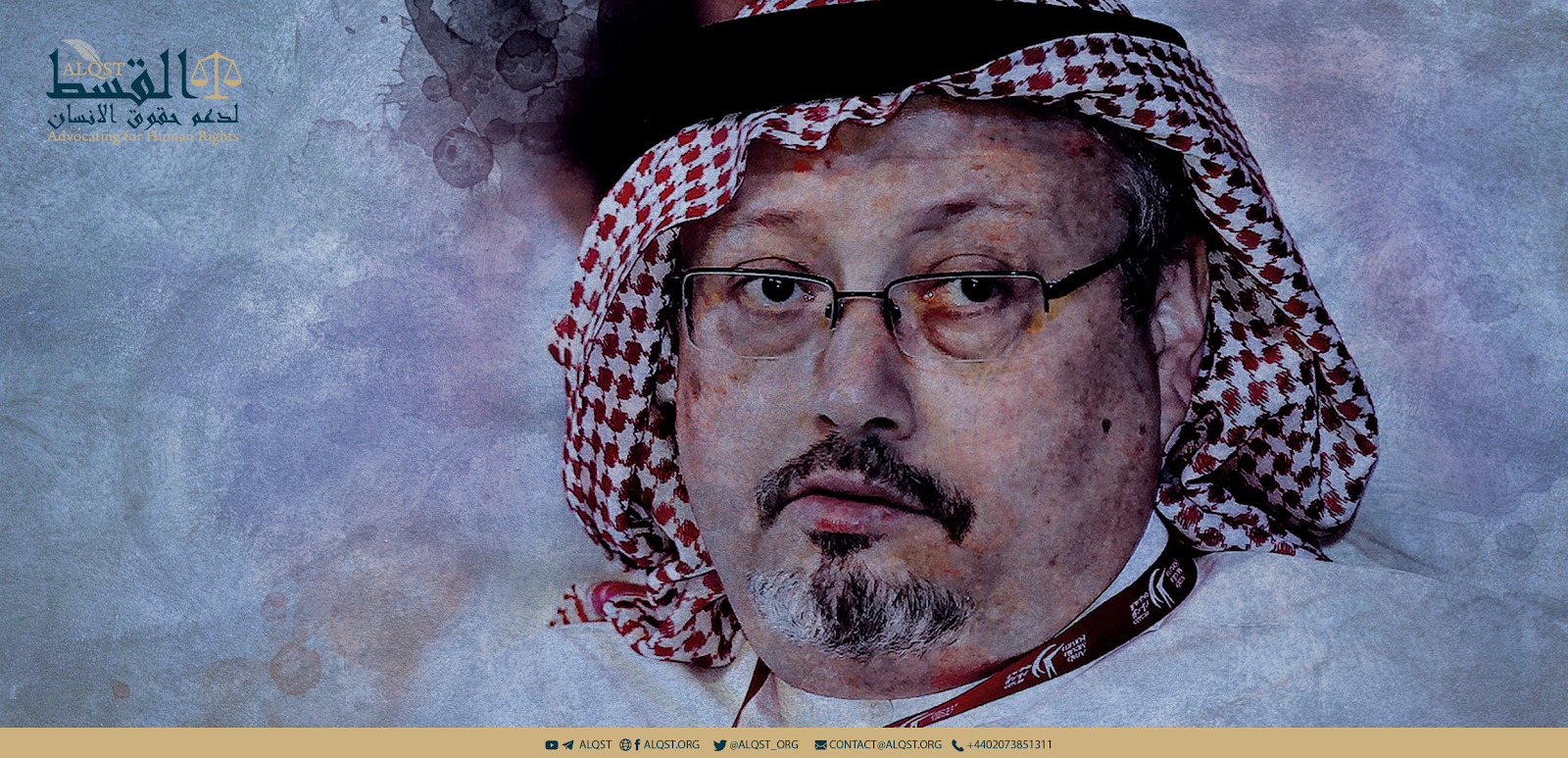
استدرج جمال خاشقجي إلى القنصلية السعودية بإسطنبول في 2 أكتوبر 2018، وفيها اغتاله فريق أمني سعودي وقطع جثمانه.
في البداية نفت السلطات السعودية قتل جمال خاشقجي وعرقلت جميع التحقيقات في الجريمة، ومن ثم عادت وعقدت تحقيقًا ومحاكمة مسيّسين، وألقي اللوم على من أسمتهم "الفرقة مارقة"، وحوكم 11 شخصًا لم تعلن أسماؤهم في محاكمة لاقت انتقادات من مختلف الأطراف لافتقارها للشفافية وعدم بتّها في تورط كبار المسؤولين في القضية.
في يوم الإثنين 7 سبتمبر 2020 خففت محكمة الجنايات بالرياض خمسة من أحكام إعدام المتهمين الإحدى عشر إلى السجن لمدد طويلة وأنزلت أحكامًا بالسجن على ثلاثة آخرين دون إعلان الأسماء، وأعلنت إغلاق القضية نهائيًّا.
رغم أن مقرر الأمم المتحدة الخاص المعني بحالات الإعدام خارج القضاء أو بإجراءات موجزة أو تعسفًا أغنس كالامار وجدت "دليلًا موثوقًا" بتورط ولي العهد محمد بن سملان وغيره من كبار المسؤولين السعوديين في جريمة القتل، فالمحكمة لم تبت في مسؤولية ولي العهد وقامت بتبرئة كبار المسؤولين.
للاستفسارات الإعلامية، يمكن التواصل مع صفاء الأحمد على البريد الإلكتروني: director@alqst.org